
Table of contents
Autoclave Class B or N? This is the question most frequently asked of our technical teams: “Do I really need to invest in a Class B autoclave, or will a cheaper model (Class N) suffice?”
The answer doesn't depend on your budget, but on your instruments.
Choosing the wrong class is like buying a parachute that opens “every other time”. Visit France, EN 13060 is a strict standard. At Africa, regulatory uncertainty often leads clinics to purchase unsuitable sterilizers that endanger their patients (and their liability, see our article on legal risk).
Let's make the final selection so you can never go wrong again.
1. The N-Class: The “Naked” trap
The letter “N” stands for “Naked”. These autoclaves are simple steam sterilizers, with no vacuum pump.
- What they do: They sterilize solid instruments, unpacked and not hollow (e.g. a simple metal scalpel placed on a tray).
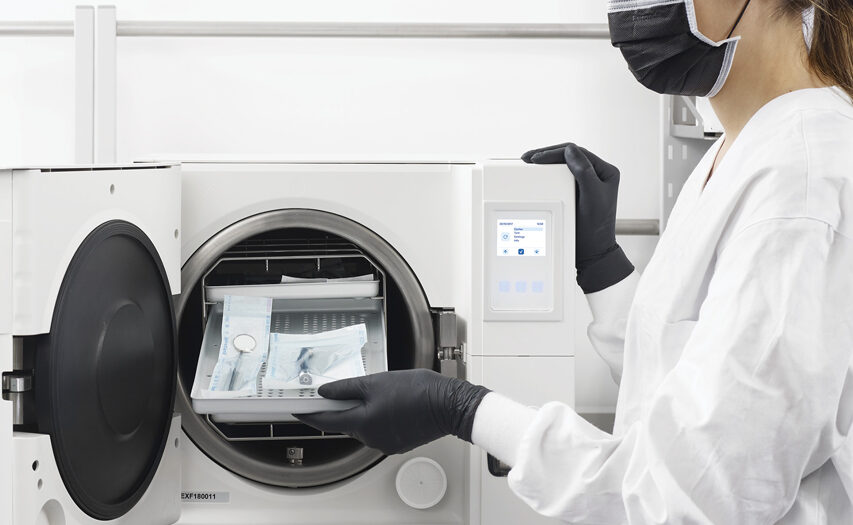
- The Danger: If you put your instruments in a bag, sterilization fails. The air remains trapped in the bag, preventing the steam from touching the instrument.
- For whom? Only for podiatrists or small treatments not requiring sterile storage.
- Nimedix Medical verdict: We strongly advise against Class N for any surgical or dental activity.
2. Class B: The Big/Best Requirement
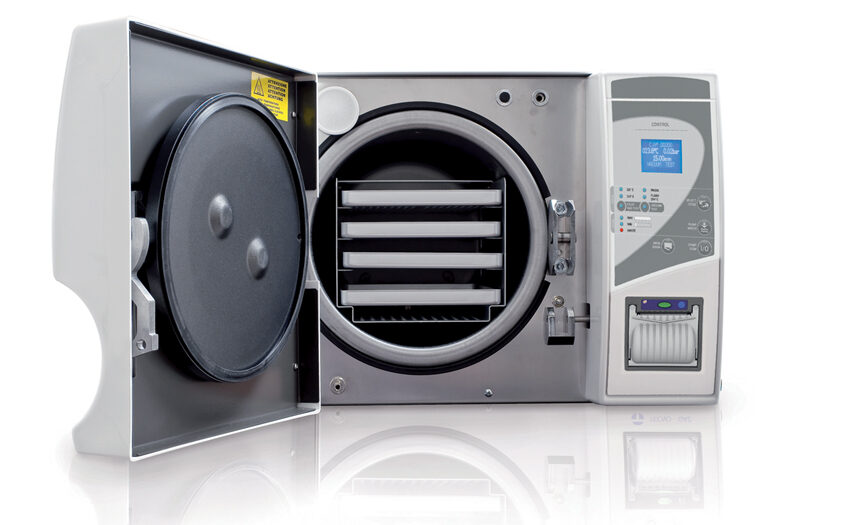
This is the hospital “Gold Standard”. The letter “B” stands for “Big Small Sterilizers”.
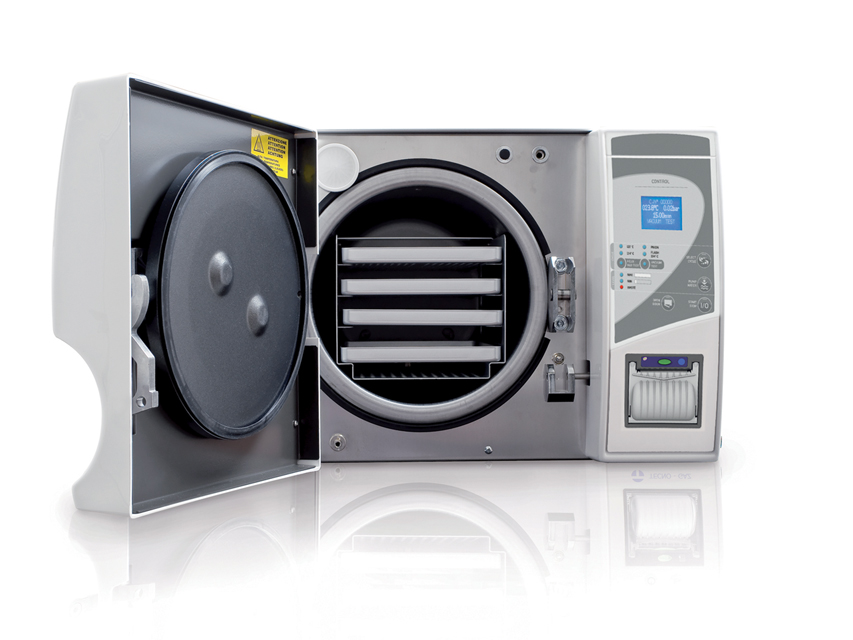
- Technology: They use a fractional vacuum pump. The machine draws air from the tank (and from inside the instruments). before to inject steam.
- What they do: Everything. Hollow instruments (turbines, cavernous bodies), porous loads (gowns, compresses) and above all bag-packed instruments.
- Why it's mandatory: If you're a dentist, ophthalmologist or surgeon, you use instruments with cavities. Only the Class B fractionated vacuum can get to the bacteria hidden inside.
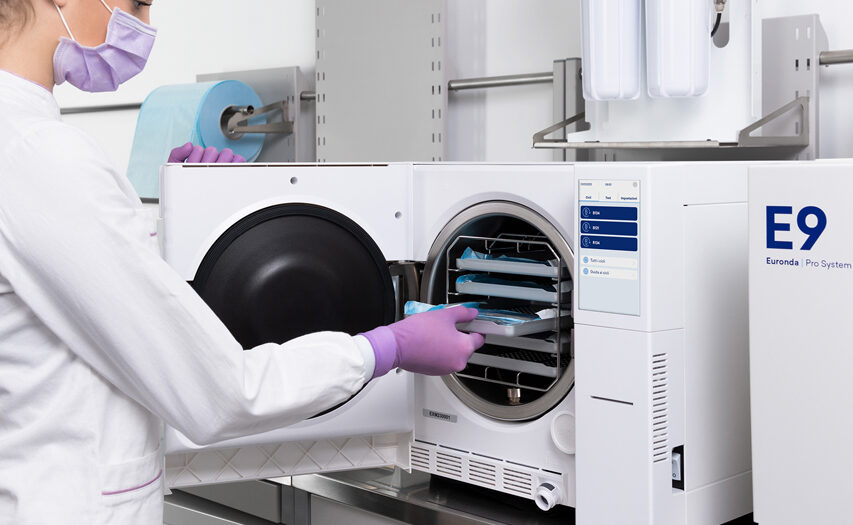
- Our selection : At Nimedix, we've chosen safety. All our models, from the’Europa B Evo (the robust one) to the’Euronda E10 (the connected one), are exclusively from Class B. We don't sell “half-measures”.
3. The Match: France vs Africa (The Geographic Bridge)
- In Europe : The EN 13060 standard makes it virtually impossible to use anything other than Class B for a dental or medical practice. In the event of an ARS inspection, a Class N autoclave on pouches will result in closure.
- In Africa : Although controls are rarer, the physiology of bacteria is the same! With tropical heat and humidity, the risk of re-contamination is higher. Use a Class B with vacuum drying (as on our Hydra Evo) is the only effective barrier for storing your bagged instruments for 30 days without risk.
4. Conclusion: Don't play with letters
If you sterilize bagged instruments (which is the basis of modern hygiene), Class B is not an option, it's a technical requirement.
Now you know you need a B-Class. But the market offers two giants: should you choose the legendary ruggedness of the Europa or the tactile technology of the Euronda?
The duel at the summit : Euronda E8 vs Europa B Evo: Which 24L autoclave is right for your workload?.
Need expert advice?
Choosing an autoclave is complex (standards, volume, budget). Don't be left on your own when faced with catalogs.
Talk directly to a technical specialist Nimedix Medical on WhatsApp.
We'll help you identify the right model for your clientele and send you the corresponding Technical Data Sheets / Quotations.

Write a comment
You must be logged in to post a comment.